Posts

Has Your Wood Worm Problem Returned? Don’t Worry!

Image
If you are concerned about a returning woodworm problem, you could be the victim of a failed treatment from an unreliable source. Fixrot.co.uk  are here to save the day and be the timber treatment heroes you need! If you are noticing returning signs of woodworm , then don’t be surprised that it could be post-treatment emergence. Fixrot.co.uk are on hand throughout the Leighton Buzzard area to ensure that your wood materials are free from woodworm and timber problems, all year round. What Is Post-Treatment Emergence? If you have previously carried out some kind of timber treatment and you are noticing that the insecticidal problem is coming back, you are experiencing post-treatment emergence. Although most solutions will cover the surface with a spray that will kill the eggs inside, some treatments will forget to focus on the interior timber and the insects that reside there. Life Cycle of the Timber Beetle Most people when dealing with woodworm problems are actually unaware o...

How to Treat Rising Damp

Image
Rising damp is one of most talked about and controversial types of damp. Putting aside the debates for a moment, if you think you might have an issue with rising damp you are in the right place. This How To guide takes you through identifying   rising damp , the causes and how to effectively deal with it. A large part of this guide is given over to correctly identifying rising damp in your home, telling it apart from much more common damp issues. We also bust some myths around rising damp and its treatment. What is Rising Damp? Rising damp  is a relatively rare form of damp that affects the walls of buildings. It occurs when moisture from the ground travels up through the walls by capillary action. This means that ground water is effectively sucked up through tiny tubes in the bricks, like a series of straws. This water contains salts that also travel up through the wall. Around the affected wall, you get other porous building materials such as plasterwork and the timber found...

WHAT IS DAMP PROOFING?

Image
Damp proofing is the generic term typically used to describe the installation of preventative measures to stop damp problems such as rising damp, penetrating damp, condensation and dry rot. Damp walls can damage fixtures and fittings in your property, leave unsightly marks on paint and wallpaper and cause structural damage to timber and masonry. Damp problems that are not treated have the potential to cause more serious conditions such as wet rot and dry rot in the future. To speak to a damp specialist, contact Fixrot.co.uk on 7795263896 or complete our contact form and we will organize for our local damp team to contact you. You can also continue to read this page for help and advice on identifying and treating damp on interior walls. WHAT CAUSES DAMP WALLS? To help you identify the different kinds of damp that can occur within properties and the damp treatments that are available, we have compiled a handy list below: RISING DAMP Rising damp is a well known but relatively rare cause...

What Causes Dry Rot?

Image
Dry rot occurs when your timber has been dampened for some reason – there are two reasons for this happening: Your house is old and was built with non-kiln dried timber. Kiln dried timber must have an average moisture content of 20% or less to be classified as such and is now compulsory for internal building work. An old home may also have clay roof tiles which do not meet current Building Regulation water permeability standards and non-British Standard materials which may or be less effective at keeping water from outside your house from entering your timber You’ve had moisture enter your timber as a result of a damp problem Even if your damp problem has since been solved, as mentioned above any Dry Rot that colonised whilst your timber was damp may well still be there. Any and all of the damp problems that can affect a house can dampen your timber – examples include Rising Damp, Penetrating Damp , and damaged chimney and roof flashing. If you haven’t had a damp problem but think you...

Rising Damp Treatment

Image
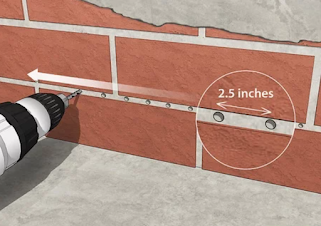
When it comes to   rising damp treatment , membrane systems like the ones provided by   Fixrot.co.uk   and Company are considered to be an effective alternative to most conventional damp proofing methods such as chemical damp proof courses (DPCs), cementitious and bitumous paint on coatings and external water repellents. This is because membrane systems generally require minimal preparation, are quick to install, and are considered to be most sympathetic to the structure. They are reversible and can be ventilated which make them particularly ideal for use on conservation and historic projects as well as for refurbishment, renovation and new build where rising damp treatment is required. When an injected damp proof course is used in damp walls where rising damp treatment is needed, part of the process almost always includes hacking off existing plaster which is an extremely disruptive and messy process. Drilling and injecting the chemical DPC is an exact science in that th...

What’s the Difference Between Wet Rot and Dry Rot?

Image
The best way to resolve your property care problems Is to start asking questions. We are contacted everyday by homeowners and landlords who are worried about the condition of their property. “What’s the difference between dry rot and wet rot ?” This is one of the most asked questions that we receive. Both are wood destroying fungi and there are certain tell-tale signs between the two. However, if you have spotted signs of rot or damp within your property, we would advise that you contact a member of your local   Fixrot.co.uk  team for advice. It is important that you correctly identify which fungi is affecting your property. See below to find out more about these two property problems. https://fixrot.co.uk/how-to-identify-dry-rot/

Dry Rot – Causes, Identification & Solution – Dumfries & Galloway

Image
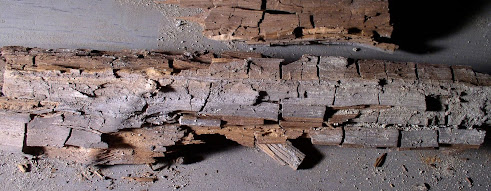
What is Dry Rot? Dry rot  is a type of fungal timber decay known as Serpula Lacrymans. It occurs when wood becomes too wet with a moisture content of over 20% and the wood-destroying fungus attacks the timber. Dry rot is the most serious form of fungal decay. Dry rot fungus is very destructive as it spreads across masonry and destroys all timber in its path including structural timbers, skirting boards, door frames, and flooring. It affects all types of properties, new and old, and can be detrimental to a property if left untreated as the fungus can weaken the structural integrity of a building and cause it to collapse. CAUSES Dry rot occurs  when airborne spores come into contact with damp timber that has a moisture content of over 20%. These spores then germinate and sprout grey root hyphae strands. The hyphae grow into mycelium which covers the timber in a thick cotton-wool like substance. The fungus eats the wood and sucks the moisture from it, leaving it weakened. The fun...